A student-friendly guide to tropical depressions, tropical storm names such as Edouard, wind-speed categories, weather maps, and safe storm awareness. Chitran International Online Art Classes, LLC created this learning guide to help families connect clear science ideas with visual thinking and confident questions.
A name is not a weather category
Students may see a storm name such as Edouard in a forecast or news report. A name identifies a particular tropical cyclone; its category describes the system’s current strength. That distinction matters because a system can strengthen, weaken, or change classification while it is tracked. This article explains the science vocabulary instead of making a time-sensitive claim about any one named storm.
What makes a tropical depression
A tropical depression is an organized tropical cyclone with maximum sustained winds of 38 mph (33 knots) or less. It has a circulating center and thunderstorms, but it is below tropical-storm strength. Weather agencies watch depressions closely because warm water and favorable atmospheric conditions can sometimes allow them to strengthen.
How a named system is tracked
Meteorologists use satellite images, ocean observations, weather stations, aircraft data where available, and computer models. Forecast maps show the possible path and timing, but a forecast is not a promise. Students should understand that the “cone” on a map describes where the center might travel, not the full width of rain, wind, or coastal effects.
The next wind categories
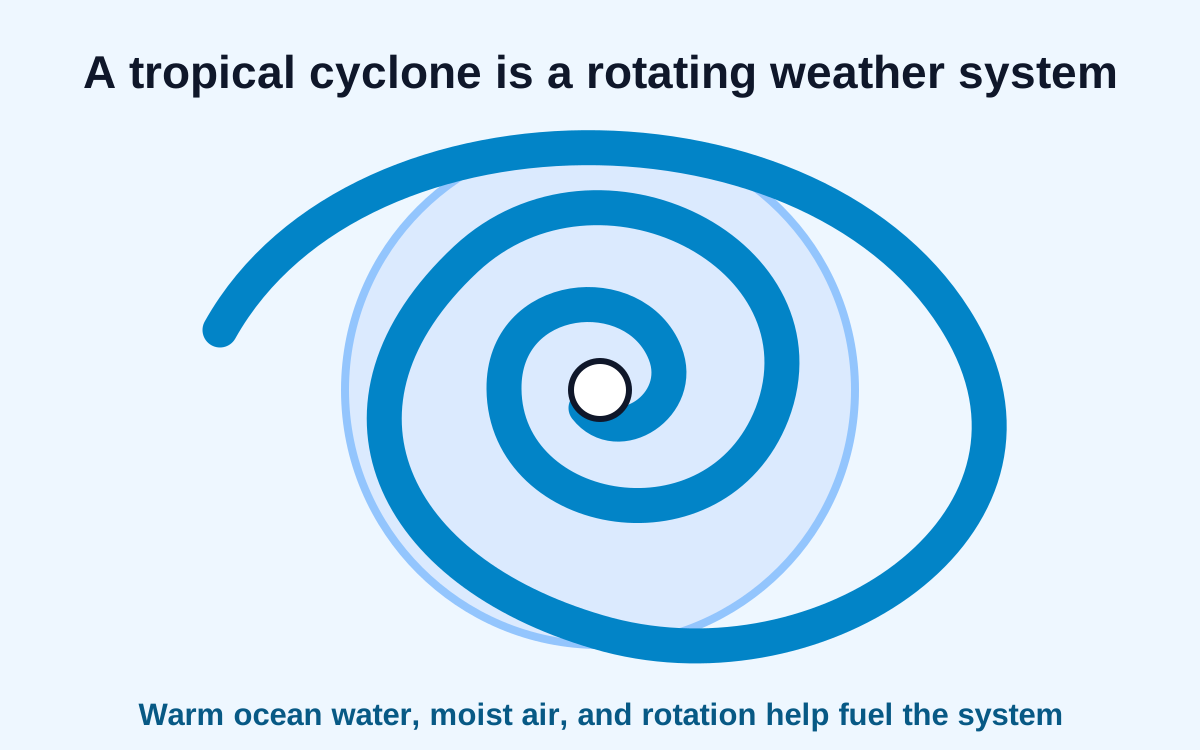
When a tropical cyclone’s maximum sustained winds reach 39 mph, it is called a tropical storm. At 74 mph, it is called a hurricane in the Atlantic and eastern North Pacific. The same kind of storm has different regional names elsewhere, including typhoon or cyclone. The physical system is what matters most: a rotating low-pressure storm over warm ocean water.
Why forecasts can change
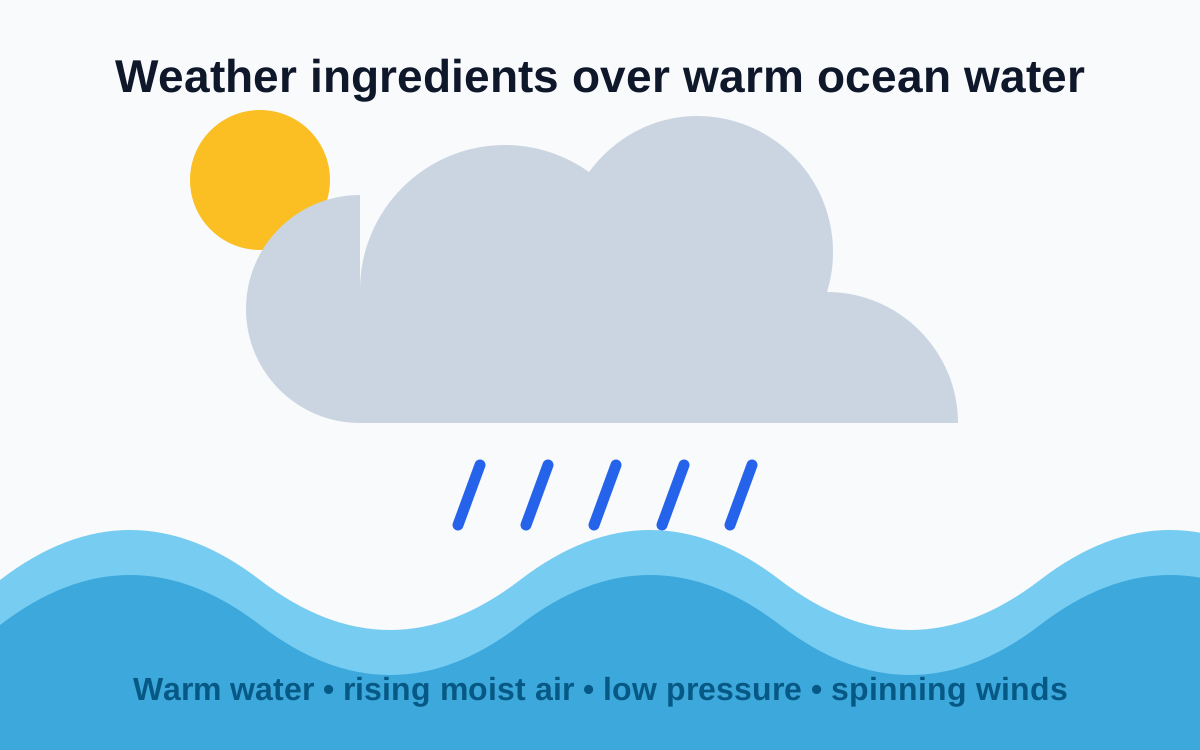
Tropical systems are affected by warm water, moisture, winds high in the atmosphere, dry air, land, and other weather patterns. A change in any of these can alter rainfall, direction, or wind strength. The best habit is to check official local weather information instead of relying on an old post or a single social-media image.
Safe weather learning for families
It is useful to prepare before a storm is near: know how your family receives alerts, identify a safe indoor place, keep basic supplies ready, and follow local emergency guidance. Students should never try to observe dangerous weather outside. Weather science is exciting because it helps communities make safer choices.
Create a forecast-map art page
Draw a blue ocean, a simple spiral storm symbol, a compass rose, and a legend. Use arrows to show a possible path, then label the difference between “watch,” “warning,” and “forecast” only after checking your local authority’s definitions. A clean map is a good way to practice layout, symbols, and visual communication.