A clear comparison of tropical depressions, tropical storms, and hurricanes for kids, including wind-speed thresholds, forecasts, and safe weather habits. Chitran International Online Art Classes, LLC created this learning guide to help families connect clear science ideas with visual thinking and confident questions.
One weather family, different strength levels
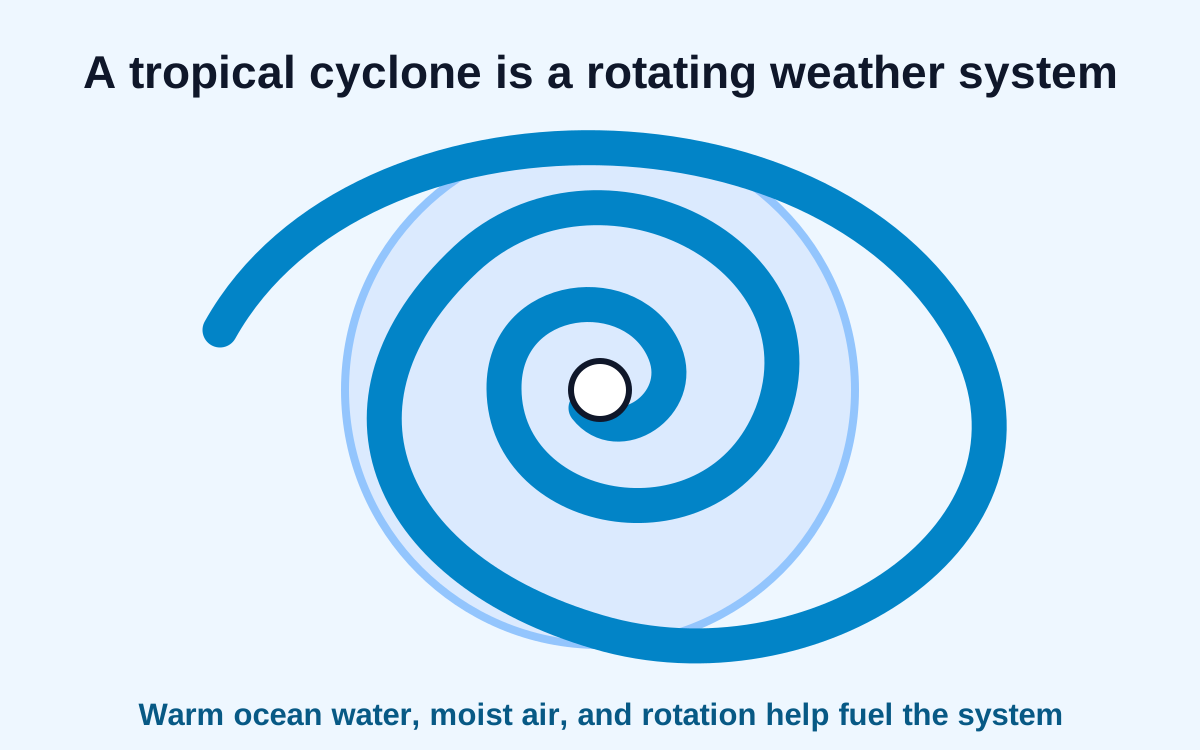
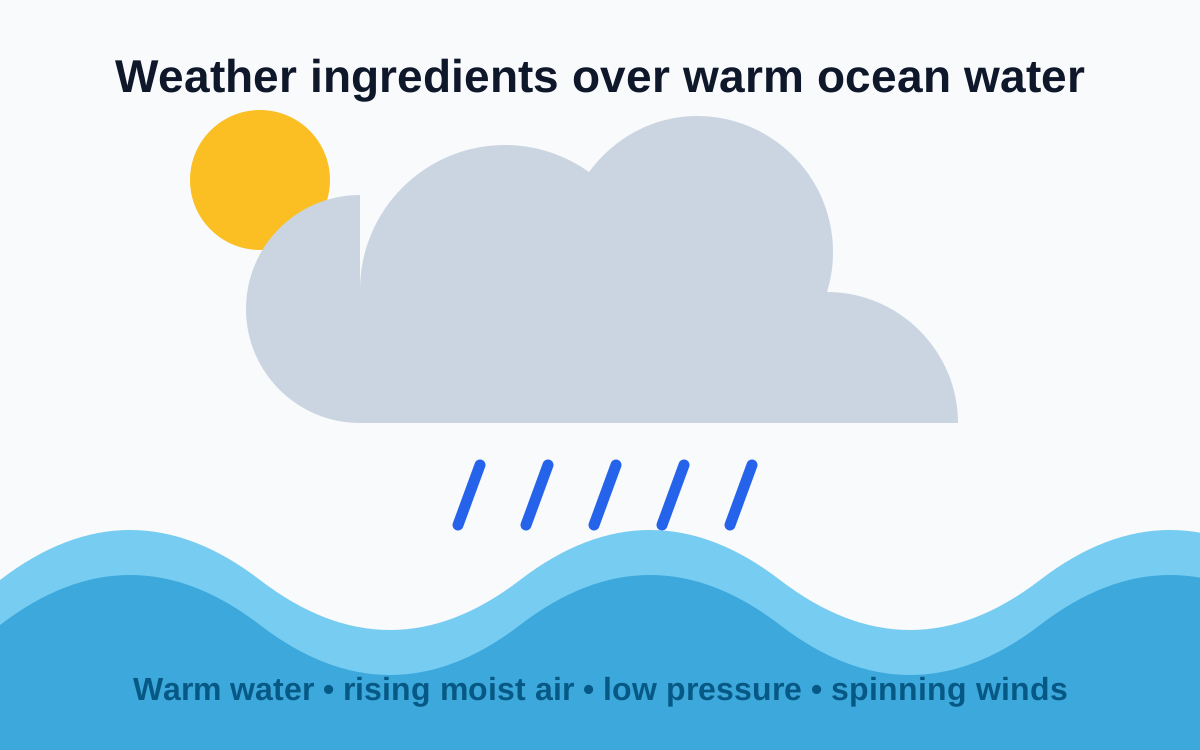
Tropical depressions, tropical storms, and hurricanes are related stages of a tropical cyclone. They form over warm ocean water and rotate around an area of low pressure. The names tell meteorologists and the public how strong the sustained winds are at a given time.
Tropical depression: the earliest named stage
A tropical depression has a defined circulation and maximum sustained winds of 38 mph (33 knots) or less. It may bring heavy rain, rough seas, and flooding risk even when winds are not yet strong. “Depression” does not mean harmless; local impacts always depend on the forecast and location.
Tropical storm: 39 to 73 mph
At 39 mph, the system becomes a tropical storm. In many ocean basins, this is when the system receives an official name. A tropical storm can produce dangerous wind, rain, surf, and coastal flooding, so families should follow official alerts rather than assuming a hurricane is the only serious kind of storm.
Hurricane: 74 mph or more
In the Atlantic and eastern North Pacific, a system is called a hurricane when maximum sustained winds reach 74 mph. The word typhoon is used for the same broad type of storm in some other ocean regions. Hurricane categories describe wind strength, but rainfall and water hazards can be dangerous at any category.
A quick comparison
The table below provides the key wind thresholds. These are classification terms, not a personal safety forecast. A child at home should always use the instructions of caregivers and local officials, especially for a storm approaching their area.
Why water and wind both matter
Storms can affect places far from the center. Heavy rain can cause flooding; wind can damage trees and power lines; coastal water can create dangerous surf and flooding. Weather maps and official advisories include more detail than a single storm label.
Build weather literacy with drawing
Design a three-column infographic for a depression, tropical storm, and hurricane. Use the same spiral symbol but change the label, wind range, and safety reminder. This is an excellent art-and-science project because it teaches clear visual hierarchy while students learn to compare information.
| Classification | Maximum sustained winds | What students should understand |
|---|---|---|
| Tropical depression | 38 mph (33 kt) or lower | An organized tropical cyclone; rain and flooding can still matter. |
| Tropical storm | 39–73 mph | A named system in many regions; follow official alerts. |
| Hurricane | 74 mph or higher | Atlantic/eastern North Pacific name for a stronger tropical cyclone. |