Creative Online Drawing Classes for Children can give children a structured way to learn drawing, receive real teacher guidance, and make time for creativity at home. Chitran International Online Art Classes, LLC supports young artists with live lessons that value patient practice, visual thinking, and original ideas.
Parents often want an art class that is clear, welcoming, and worth returning to. This guide explains the qualities that make online drawing learning meaningful, from real-time feedback and skill development to practical home routines and creative confidence.
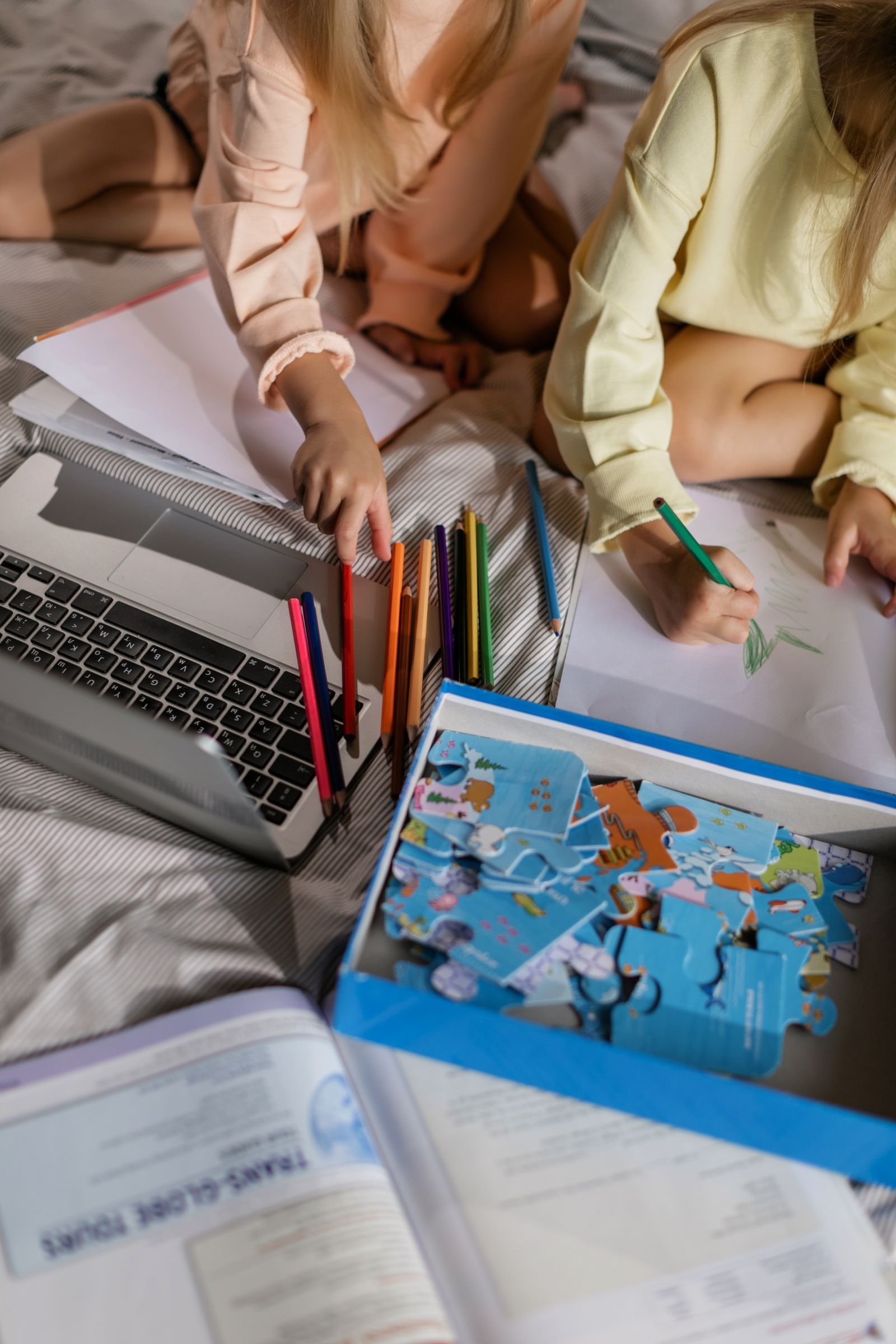
What makes a live drawing class worthwhile
A strong live drawing class gives children a clear path from a simple first mark to a finished idea. Lessons should have a friendly pace, a visual demonstration, time to practise, and chances for students to ask questions. Rather than racing through a project, an instructor can show how to compare sizes, find basic shapes, and decide what needs attention next. That structure helps children understand that drawing is a skill they can build.
For families, the most useful sign is active participation. A child should be drawing during the lesson, not only watching. Live instruction makes it possible for a teacher to notice when a student is stuck, offer a small adjustment, and celebrate the effort that leads to progress. This kind of feedback helps a young artist stay engaged and feel that their work matters.
Why real-time teacher feedback changes learning
Drawing often involves tiny decisions that are hard to explain through a pre-recorded video. A child may need help seeing the angle of a roof, placing eyes on a face, making one object appear farther away, or choosing where a shadow begins. In a live class, feedback can arrive while the drawing is still open on the table. Students can try a suggestion immediately and see the difference for themselves.
Good feedback is specific and kind. It tells a student what is already working, identifies one useful next step, and gives them enough time to act on it. This approach avoids perfectionism. Instead of fearing a mistake, children learn to look again, revise a line, and continue. Those habits create resilience in art and in other learning situations.
Core skills children develop through drawing
Young artists learn observation when they slow down and notice shapes, proportions, spaces, edges, and light. They practise planning when they decide where to begin, which objects overlap, and how to organise a page. They build hand control through lines and shading, but they also build patience by returning to an area that needs revision. A completed drawing is satisfying, yet the habits behind it are equally valuable.
Creative thinking grows when students are allowed to make choices. A teacher can demonstrate a technique while leaving room for each child to change colours, create a character, add a setting, or tell a story. This balance of instruction and choice lets children develop technical confidence without losing their own voice.
A reliable online class routine
An effective lesson often begins with a short warm-up that wakes up the hand and attention. The teacher then introduces a manageable goal, demonstrates a few steps, and gives students time to draw alongside the explanation. During practice, children can ask for help or share what they notice. A brief reflection at the end can help them name the skill they used and choose something to try again later.
At home, a simple prepared workspace makes a big difference. Paper, pencil, eraser, and colours should be ready before class begins. A clear table and a comfortable seat help the child stay focused. The goal is not an expensive studio; it is a small routine that tells the child their creative time is important.
Finding the right level for a child
Beginners benefit from small steps, familiar subjects, and explanations that do not assume prior knowledge. They may start with shapes, line control, simple objects, and easy value changes. Children with more experience need new challenges in proportion, perspective, composition, colour, and original projects. The best placement is one where a child can succeed while still having something worthwhile to practise.
Age is useful, but it is not the only factor. Interest, confidence, attention span, and past drawing experience all matter. A welcoming teacher helps students participate at their own starting point and offers a next step rather than comparing them with one another. This makes a class more inclusive and more sustainable for families.
How parents can support a creative habit
Parents do not need to correct drawings or know technical art vocabulary. They can help most by making materials available, protecting class time, and noticing effort. Questions such as “What did you notice before you drew that part?” or “Which step felt most challenging?” invite a child to think about their process. These conversations show that learning is more important than producing a perfect result.
Saving drawings in a sketchbook or folder is another simple support. When children look back at work from earlier weeks, they can see changes in detail, confidence, and care. This evidence of progress is motivating, especially when a new lesson feels difficult.
Drawing as an active screen experience
Online learning does involve a device, but a live drawing lesson can make the screen a tool for hands-on work. Students look up to watch a demonstration, look down to draw on real paper, and return to the teacher when they need guidance. The centre of the lesson is the child’s own mark-making, not passive entertainment.
Families can make this distinction clear by keeping unrelated apps and notifications away during class. A small follow-up activity, such as finishing a detail, dating the sketch, or sharing it with a family member, helps extend the lesson beyond the screen and reinforces the value of focused practice.
Creative confidence in a fast-content world
Children see polished images and fast content every day. Drawing by hand offers a different experience: it asks them to slow down, observe, make decisions, and learn through repeated attempts. A sketch does not need to be instant to be valuable. In fact, the time spent thinking and revising is one of the reasons art education can build confidence.
Live classes can help children recognise that every artist begins with simple tools and imperfect attempts. When an instructor models experimentation and revision, students learn that creativity is not a talent reserved for a few people. It is a practice that grows when they keep showing up.
Building a sketchbook practice between lessons
Short, repeatable practice is more useful than occasional pressure to make a large finished picture. Ten minutes spent drawing a shoe, leaf, cup, toy, or face from observation can reinforce the skills introduced in class. Children can also try a small visual story, a three-colour challenge, or a scene drawn from another point of view.
Encourage students to date their pages and write one small note about what they tried. This turns a sketchbook into a record of learning rather than a collection of pages that must all look polished. Over time, the child develops both a personal archive and a more independent relationship with drawing.
Questions to ask before choosing a class
Families can ask how the teacher supports beginners, how students receive feedback, what materials are needed, and how lessons connect over time. It is helpful to know whether students are invited to participate, whether the pace allows them to draw during class, and how the school communicates with parents. These details reveal whether a program is built for long-term learning.
A free demo class is a practical way to see the answers in action. Watch how the teacher explains a step, how children are welcomed into the lesson, and whether the environment feels both organised and encouraging. The right class should help a child learn seriously while keeping the pleasure of drawing alive.
A learner-first approach
Children learn best when they feel safe to ask questions, make changes, and try again. Live guidance turns a difficult moment into a manageable next step, helping young artists build skill without losing the joy of creating.
A family checklist for a successful class
For creative online drawing classes for children, plan for a dependable routine rather than a perfect setup. Check the class time, materials, internet connection, and the child’s place to work. Keep a pencil, eraser, paper, and colours easy to reach. Let the student know that questions and revisions are welcome. Small practical preparations make it easier for a child to arrive ready to learn.
Practice prompts for young artists
Try one simple prompt between classes: draw an object from two angles, add a light source and shadow, tell a story in three small frames, or use a limited colour palette. These activities make skills memorable because children use them in their own way. A short practice session can feel playful while still building observation, planning, and line control.
How drawing supports broader learning
Drawing supports visual communication, spatial thinking, attention, and storytelling. A child may use art to explain a science idea, plan a fictional place, illustrate a reading response, or observe something outdoors. The value is not that every subject must become an art project. It is that drawing gives children another way to think, notice, and share what they understand.
Making space for original ideas
Originality becomes easier when children are given choices. After practising a technique, a student can change the subject, combine ideas, choose a colour mood, or add details from their own experience. This gives technical exercises a personal purpose. It also helps children understand that artists learn from examples while still making work that reflects their own thinking.
A supportive teacher can encourage these choices by asking open questions and showing that more than one answer can work. When children are trusted to decide, they become more willing to experiment. That confidence carries into future sketches, classroom projects, and the way they approach unfamiliar creative challenges.
A calm next step for families
Families who want to explore live learning can book a free demo class. A first session makes it easier to see the teaching pace, ask questions about class level and materials, and decide whether the child feels comfortable participating. The best starting point is one that invites curiosity and gives a young artist a reason to return next week.