Discover how Chitran online drawing classes help children learn observation, shapes, shading, colour, imagination, and creative confidence. This guide explains the name and the learning approach in plain language for parents and young artists.
A clear answer
Chitran Online Drawing Classes for Kids begins with a simple idea: In each lesson, students draw along, ask questions, receive guidance, and build techniques they can use beyond a single project. For parents who encounter the word in a search result, social post, class link, or recommendation, this page gives a clear starting point. Chitran is connected with art education for children and with a practical, teacher-guided way of learning drawing online. The focus is not on making children copy one perfect picture. It is on helping them understand how artists observe, build shapes, revise, make choices, and develop their own ideas.
Why the word matters in art education
A name can help families understand the purpose behind a learning experience. In the case of Chitran, the central idea is visual creativity: children looking carefully at the world and transforming observations into drawings, designs, stories, and personal projects. This matters because young artists need language for what they are learning. Rather than saying only “I made a picture,” a student can learn to say, “I changed the composition,” “I used warmer colours,” or “I simplified the shape.” That vocabulary supports confident progress.
What children practise through Chitran
Art learning is a collection of connected habits. In a Chitran lesson, a child may practise line control, basic shapes, proportion, light and shade, colour relationships, texture, composition, or visual storytelling. The exact project changes, but the underlying skills return in new ways. A face, animal, still life, landscape, or imaginative scene can all teach children to notice direction, scale, contrast, and detail. Repeated practice makes these ideas useful long after one class has finished.
Live teaching changes the learning rhythm
A live class gives children an opportunity to make while they learn. They can follow a demonstration, pause to look, ask a question, attempt a step, and receive encouragement at the moment they need it. This is different from passively watching a finished result appear on a screen. A responsive teacher can explain a difficult idea in smaller pieces and help a student decide what to try next. For many beginners, that timely guidance makes drawing feel possible rather than overwhelming.
A structured path without removing imagination
Structure is valuable when it creates freedom. Chitran uses step-by-step skill building so children have a reliable way to begin, but each young artist can still choose a setting, colour scheme, expression, story detail, or personal interpretation. One child might turn a simple animal lesson into a realistic study; another might make a fantasy character. Both are using the same visual foundations. The goal is not sameness. The goal is to give imagination tools it can use confidently.
How families can use this information
When searching drawing classes, parents can look beyond a title or a promise. Useful questions include: Is there real teacher interaction? Does the programme build skills in a sequence? Can children practise during the lesson? Is the atmosphere encouraging for beginners? Are families able to understand what progress looks like? A free demo class can answer many of these questions more clearly than a list of features. It lets a family experience the pace, instruction, and student participation first-hand.
A global idea with a local art table
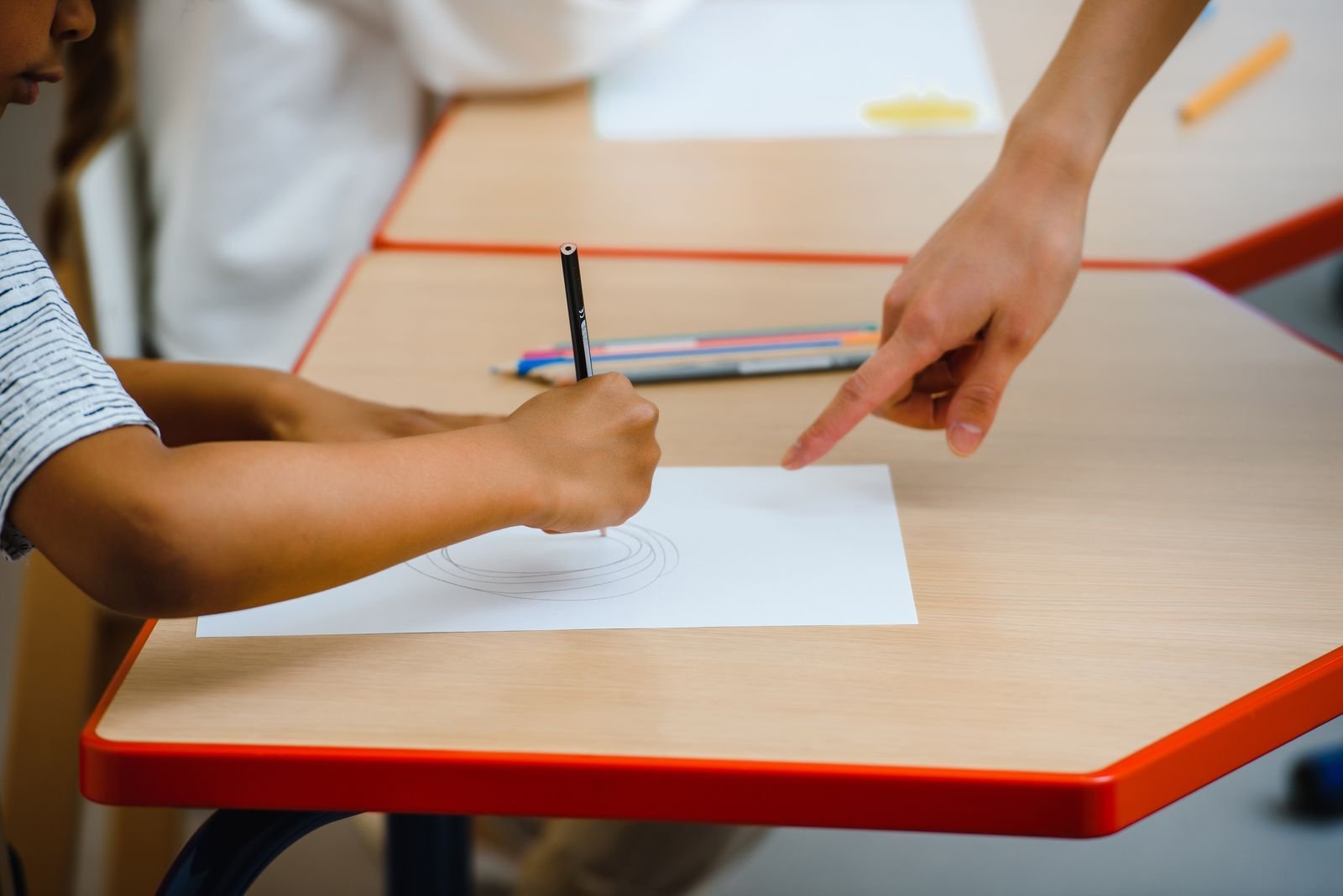
Online learning allows young artists to participate from home, but the creative work remains wonderfully physical. A pencil touches paper; an eraser adjusts a line; colours are tested; a sketchbook collects evidence of growth. Chitran’s digital format is intended to support that hands-on experience, not replace it. Families can create a calm, repeatable class routine with paper, basic drawing tools, a clear workspace, and time for children to show what they are discovering.
Trust, transparency, and identity
Chitran International Online Art Classes, LLC is a U.S.-registered Wyoming limited liability company. The company’s public identity, live-learning focus, and available company information give families a clear reference point when they are evaluating an online education service. Transparency matters in children’s learning. Parents should be able to understand who provides the class, how a child will participate, and what the educational experience is designed to support.
The next step for a young artist
The best way to understand Chitran is through making art. A family can set aside a simple drawing space, encourage a child to bring curiosity rather than perfectionism, and explore a live class experience. Children do not need advanced supplies or prior talent to begin. They need an inviting first step, a clear process, regular practice, and encouragement to keep looking, trying, and growing. Families can book a free demo class to see whether the Chitran approach fits their child.