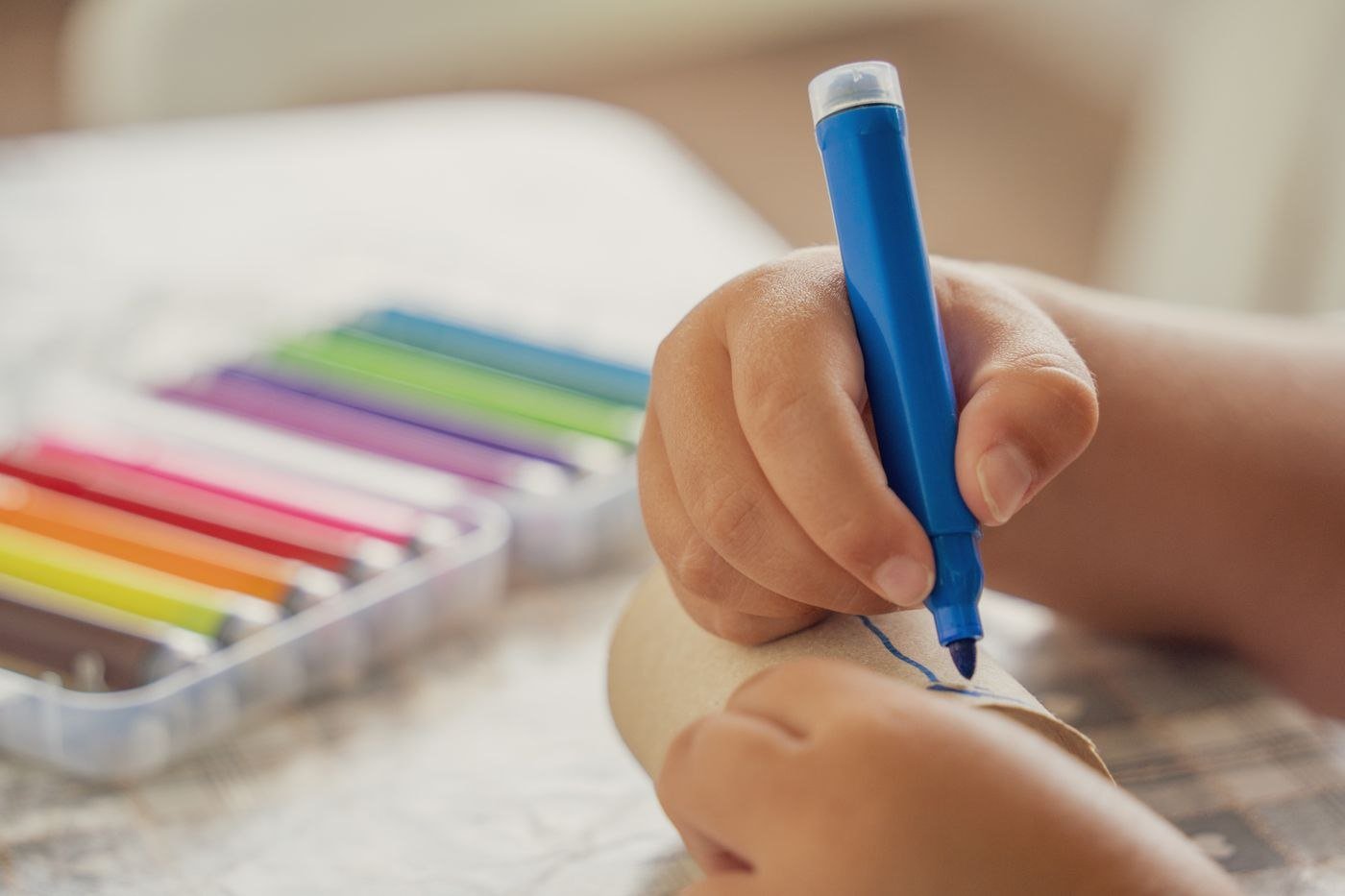
The teacher needs to demonstrate clearly, leave enough drawing time, invite questions, and make participation comfortable. A stable camera angle matters more than fancy effects.
What makes Zoom instruction work
The teacher needs to demonstrate clearly, leave enough drawing time, invite questions, and make participation comfortable. A stable camera angle matters more than fancy effects.
Parents often see polished artwork first, but the learning process tells them more. Notice whether the teacher explains decisions, responds to questions, and helps students understand what to try next. A useful class should make the child more capable of beginning a new drawing independently, rather than only helping them copy one finished example.
Why families search for this kind of class
Online art learning can remove travel time and give families access to a regular teacher from home. It can also create a calm weekly routine around a physical activity: the student watches a short demonstration, then works with pencil, paper, colour, and real materials. The screen supports the lesson, but the child’s attention stays on making, observing, deciding, and revising.
Younger beginners usually need shorter instructions, large drawing movements, and familiar subjects. Older children and teenagers can manage longer projects, more deliberate observation, and technical ideas such as proportion, perspective, value, and composition.
What a useful live lesson includes
A clear live lesson normally has a beginning, a focused skill, guided practice, time for personal choices, and a short review. The teacher may demonstrate how to simplify a subject into large shapes, compare width and height, place features, or build darker values gradually. Students then need enough uninterrupted time to apply the idea and ask for help.
Look for an instructor who can explain the same idea in more than one way. Some children understand a verbal instruction, while others need a second demonstration, an everyday comparison, or a quick visual mark. Live teaching becomes valuable when the teacher notices confusion and adjusts instead of continuing at the same pace.
Skills that should build over time
A coherent program does not need every lesson to look serious, but projects should connect to a broader sequence. Useful foundations include line control, shape construction, observation, proportion, composition, colour, texture, and age-appropriate shading. A playful animal, landscape, character, or still life can still teach one or two of these ideas. The project is the vehicle; the transferable skill is the destination.
Ask whether later lessons revisit earlier concepts with a little more difficulty. Repetition with variation helps children remember what they learned. For example, a student may first use overlap in a simple garden scene, then apply the same idea to a room, street, or group of characters.
Live classes and recorded lessons serve different needs
Live instruction gives students immediate access to a teacher. They can show work, ask why something looks unusual, and receive a specific next step. A recording is useful for replaying a technique, catching up when permitted, or practising between sessions. It does not automatically provide feedback, so parents should understand how live guidance and replay access work together in the program they are considering.
Before enrolling, ask how long recordings remain available, whether every class is recorded, and how a child can get help with a replayed lesson. These details can vary and should be checked on the current course page.
What progress can look like
Progress is broader than producing a more realistic picture. A child may begin to place drawings more thoughtfully on the page, compare proportions before adding details, use a wider range of light and dark, or continue after an imperfect first attempt. Confidence can also show up as better questions and more willingness to share an unfinished drawing.
Create a simple evidence trail. Save one dated drawing every two or three weeks, preferably from similar types of subjects. Add a short note about what the child found easy, what felt difficult, and what the teacher asked them to practise. After several months, compare the decisions in the work rather than expecting every new piece to be better than the last.
A practical progress checklist
- The student starts with large shapes before small details.
- Lines become more deliberate and easier to revise.
- Objects show clearer size, overlap, or placement relationships.
- Colour and shading choices have an explained purpose.
- The child can describe one thing learned and one next goal.
- The student is increasingly willing to try unfamiliar subjects.
Setting up a home art space
A reliable setup can be simple: a clear table, comfortable chair, stable device, paper, pencil, eraser, sharpener, and the colours listed for the project. Place the screen where the student can see the teacher without blocking the drawing surface. Good light reduces eye strain and makes it easier to show artwork to the camera.
Keep frequently used materials in one box and test the meeting link, sound, and camera before the first session. Preparation protects drawing time. It also helps younger students join calmly instead of beginning the class while searching for supplies.
How to compare price, quality, and value
Compare the full billing period, not only the largest price shown on a card. Note the number and length of live classes, access to recordings, instructor feedback, included resources, support, cancellation rules, and any renewal terms. Divide the total by the expected number of live sessions if a per-class comparison is helpful, but keep teacher fit and student engagement in the decision.
An inexpensive program has poor value if a child does not participate or receives no usable guidance. A higher price is not proof of quality either. A demo class, transparent terms, and clear answers to parent questions provide stronger evidence.
| Compare | What to verify | Why it matters |
|---|---|---|
| Teaching | Live explanation and specific feedback | Shows whether support is responsive |
| Curriculum | Skills connect across lessons | Helps learning continue beyond one project |
| Schedule | Local time and weekly consistency | Makes attendance sustainable |
| Cost | Total, renewal, cancellation, and inclusions | Prevents incomplete comparisons |
| Progress | Dated work and achievable next goals | Makes growth visible |
Schedule and time-zone checks
A practical schedule is part of learning quality. Children participate more fully when class does not compete with meals, homework, or bedtime, so families should confirm the current time-zone display before enrolling.
Also consider who will help a younger student join, where materials will be stored, and whether the household internet connection is reliable at that hour. These practical details often determine whether a good class becomes a lasting routine.
Try this before choosing a class
Before a demo, position the screen so your child can see the example while still using the drawing surface.
During a demo, pay attention to how much time the child spends drawing, whether instructions are understandable, and how the teacher responds when the student’s work differs from the example. Afterward, ask the child what they learned and whether they would like another lesson. The answer gives useful information, especially when combined with what the parent observed.
Questions to ask before enrolling
- Which level fits my child’s current experience and attention span?
- How many students normally join a live session?
- How does the teacher give individual feedback?
- What materials should we prepare, and how early is the list provided?
- Which class times are available in our local time zone?
- Are recordings included, and how long can students access them?
- What is included in the current billing period?
- How do renewals, cancellations, and missed lessons work?
A balanced parent decision
The best choice is a class that combines clear instruction with respect for the child’s ideas. It should fit the family schedule, explain its costs, and give the learner a realistic path from current skills to the next level. Avoid choosing only by a ranking label, a single review, or one impressive gallery image. Look at the complete experience.
Families can book a free demo class to see the live teaching format, then review current plans before enrolling. Confirm the latest schedule, features, and terms directly on the enrollment pages.
Frequently asked questions
Can a beginner join without previous drawing lessons?
Yes. A beginner-level class should introduce materials, basic shapes, observation, and simple step-by-step methods. Ask the school to confirm the most suitable level after the demo.
How often should a child practise?
A short, repeatable practice is often more useful than an occasional long session. Ten to twenty focused minutes between classes can reinforce one skill without turning art into a chore.
Do parents need to teach during class?
Parents usually do not need to teach. Younger children may need help joining the meeting or arranging materials, while the instructor should lead the lesson and feedback.
How soon should parents expect improvement?
There is no fixed result for every child. Look for changes in process over several weeks or months: observation, control, revision, confidence, and the ability to explain choices.